Biker Safety Equipment Myths Debunked for 2026
As we navigate through 2026, the importance of biker safety equipment continues to be a prominent topic among enthusiasts and casual riders alike. Misconceptions surrounding the effectiveness and necessity of various safety gear can lead to dangerous outcomes. In this article, we will explore common myths about biker safety equipment, aiming to clarify the facts and empower riders to make informed choices for their protection.
Myth One: Helmets Are Optional
One of the most widespread misconceptions is the belief that wearing a helmet is optional for experienced riders. In 2026, this notion remains dangerously misleading. Statistics consistently show that helmets significantly reduce the risk of head injuries during accidents. For instance, a study from the National Highway Traffic Safety Administration indicates that riders without helmets are three times more likely to sustain severe head injuries compared to those wearing helmets.
Moreover, modern helmets are designed with advanced materials and technology that enhance comfort and safety. Many helmets now come equipped with features such as Bluetooth connectivity, allowing riders to stay connected while on the road without compromising safety. This 2026, riders should prioritize wearing a certified helmet every time they hit the road.
Types of Helmets
Understanding the different types of helmets available in 2026 can help riders choose the right one for their needs. Here are some common types:
- Full-Face Helmets
- Modular Helmets
- Open-Face Helmets
- Dirt Bike Helmets
Each type has its own benefits and is designed for various riding styles. Selecting the right helmet can enhance both safety and comfort during rides.
Myth Two: Protective Gear Is Uncomfortable
Another prevalent myth is that protective gear is uncomfortable and restricts movement. In 2026, the market has evolved to provide a wide array of options that prioritize both safety and comfort. Advances in materials have led to the development of lightweight and breathable gear that fits snugly without hindering mobility.
People Also Look For:
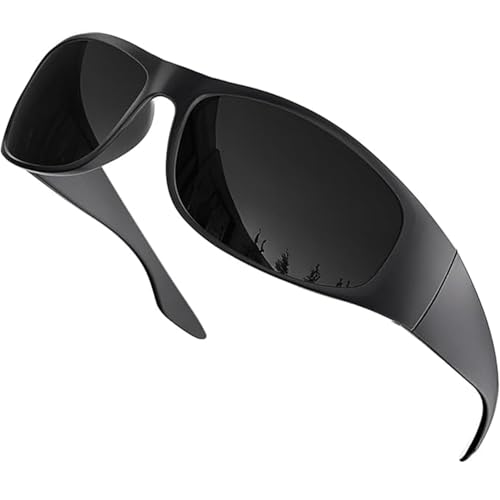
- grinderPUNCH Super Dark Lens Black Sunglasses | Biker Style Rider | Wrap Around Frame
- Bohue 7 Pieces Biker Costume Set Biker Hat with Chain Gothic Necklace Choker Sunglasses Punk Biker Gloves Fake Mustaches 1980s Gan...
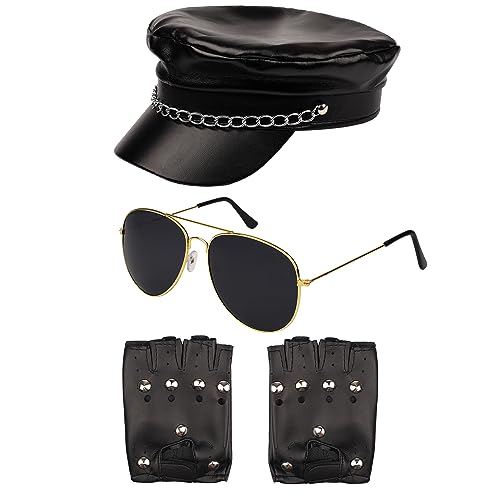
- Bohue 3 Pieces Men 80s Biker Costume Accessories Black Biker Cap with Chain Sunglasses Punk Gloves Party Costume Dress-Up Accessor...
- Youth Kids Motocross Offroad Street Dirt Bike Helmet Full Face Motorcycle ATV Helmets with Goggles Gloves, Four Mountain Wheeler B...
- UIGJIOG Motocross Helmet, with Goggles Mask Gloves, Youth Kid Full-Face Off Road Motorcycle Crash Helmet, MTB BMX Downhill Quad Bi...
For instance, many motorcycle jackets and pants now incorporate flexible armor that moves with the rider. Brands are increasingly focusing on ergonomic designs that cater to the unique needs of bikers. This means that riders can enjoy a comfortable experience without sacrificing safety. Riders should not shy away from investing in high-quality protective gear that enhances their riding experience.
Layering for Comfort
Layering is a practical approach to ensuring comfort while wearing protective gear. In 2026, riders can consider the following layering options:
- Base Layer: Moisture-wicking fabric to keep sweat away
- Insulating Layer: Lightweight materials for warmth without bulk
- Outer Layer: A durable jacket that provides protection from elements
This layering technique helps maintain comfort throughout the ride, no matter the weather conditions.
Myth Three: Safety Gear Is Too Expensive
Many riders believe that high-quality safety gear comes at an exorbitant cost. While it is true that certain premium options can be pricey, 2026 offers a variety of affordable yet reliable safety equipment. Investing in quality gear is a long-term decision that can prevent costly medical bills and severe injuries resulting from accidents.
In fact, numerous brands now provide budget-friendly options that do not compromise on safety. Riders can find protective gear that meets safety standards while being mindful of their budget. This 2026, it is essential to research and seek out reputable brands that offer good value for money.
Finding Affordable Safety Gear
Here are some tips for finding affordable safety gear:
- Shop during off-season sales
- Look for discount codes and promotions online
- Consider second-hand options from trusted sources
By exploring these avenues, riders can equip themselves with necessary safety gear without breaking the bank.
Myth Four: Visibility Gear Is Just a Trend
Some riders dismiss high-visibility gear as merely a trend. However, in 2026, the importance of visibility cannot be overstated. Wearing bright colors and reflective materials significantly increases a rider's chances of being seen by other motorists. A study showed that high-visibility gear can reduce the likelihood of accidents by up to fifty percent.
In 2026, riders should prioritize visibility as a critical aspect of safety. Investing in gear that incorporates reflective strips or bright colors can make a substantial difference on the road, particularly during low-light conditions. Riders should also consider adding reflective tape to their motorcycles to enhance overall visibility.
Best Practices for Visibility
To improve visibility, riders can adopt several best practices:
- Wear bright colors and reflective gear
- Use auxiliary lights on the motorcycle
- Position reflective stickers on helmets and jackets
Implementing these practices can significantly enhance safety while riding in various conditions.
Ongoing Education and Awareness
In 2026, ongoing education and awareness remain vital components of biker safety. Riders should stay updated on the latest safety gear innovations and best practices. Participating in safety courses can provide valuable insights into safe riding techniques, and many organizations offer courses designed to enhance rider skills.
By staying informed and addressing misconceptions about safety gear, riders can create a safer riding environment for themselves and others on the road. This commitment to education not only benefits individual riders but fosters a more responsible biking community overall. As the year progresses, riders must continue to advocate for safety measures and strive for excellence in their riding practices.