Common Mistakes Riders Make When Buying Gloves
As the riding season unfolds in 2026, many riders are gearing up for new adventures on their motorcycles or bicycles. One of the most essential pieces of gear that often gets overlooked is gloves. Riders frequently make critical mistakes when selecting gloves, which can lead to discomfort, reduced control, or even safety hazards on the road. This article delves into the common pitfalls riders encounter when purchasing gloves and offers insights on how to avoid them.
Understanding the Importance of Proper Fit
One of the foremost mistakes riders make is choosing gloves that do not fit properly. In 2026, the market offers a wide variety of glove sizes and styles, yet many riders still opt for a size that feels convenient rather than one that offers the best fit. Gloves that are too loose can hinder control over the bike's handlebars, while overly tight gloves can lead to discomfort and hinder blood circulation.
When trying on gloves, riders should ensure that their fingers reach the end of the glove without excessive stretching. A well-fitted glove allows for slight movement while maintaining a snug feel. Riders should also consider the type of riding they will be doing, as different activities may require different fits. For example, touring riders might prefer a looser fit for comfort during long rides, while sport riders often opt for a tighter fit for enhanced control.
Testing Gloves Before Purchase
Another mistake riders often make is failing to test gloves before buying. Many assume that simply looking at a pair of gloves is sufficient to determine their comfort and functionality. In reality, actual wear is crucial. Riders should take the time to move their fingers, grip the handlebars, and simulate various riding positions while trying on gloves.
Riders should also pay attention to the glove's flexibility and how it feels during movement. This process can help identify any potential pressure points or discomfort that may not be apparent while standing still. In 2026, many retailers are equipped with facilities that allow riders to test gloves in a simulated riding environment, which can be invaluable in making the right choice.
People Also Look For:
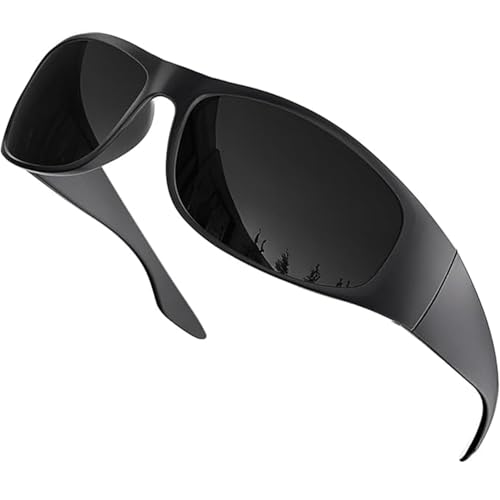
- grinderPUNCH Super Dark Lens Black Sunglasses | Biker Style Rider | Wrap Around Frame
- Bohue 7 Pieces Biker Costume Set Biker Hat with Chain Gothic Necklace Choker Sunglasses Punk Biker Gloves Fake Mustaches 1980s Gan...
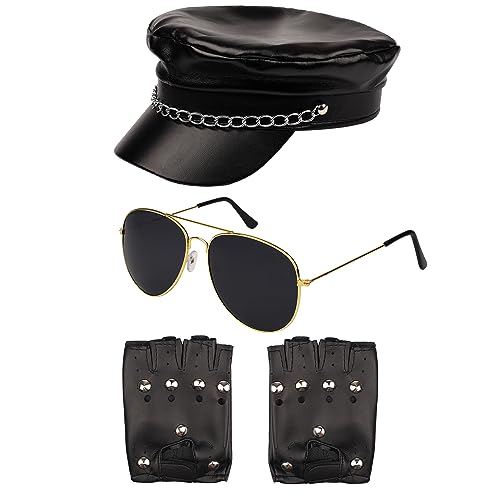
- Bohue 3 Pieces Men 80s Biker Costume Accessories Black Biker Cap with Chain Sunglasses Punk Gloves Party Costume Dress-Up Accessor...
- Youth Kids Motocross Offroad Street Dirt Bike Helmet Full Face Motorcycle ATV Helmets with Goggles Gloves, Four Mountain Wheeler B...
- UIGJIOG Motocross Helmet, with Goggles Mask Gloves, Youth Kid Full-Face Off Road Motorcycle Crash Helmet, MTB BMX Downhill Quad Bi...
Material Selection Matters
The choice of material is another crucial aspect that riders often overlook. In 2026, advancements in glove materials have led to a range of options, from leather to synthetic textiles. Each material offers different advantages and disadvantages. Riders should consider the climate and conditions they will be riding in when selecting glove materials.
For instance, leather gloves provide excellent durability and protection but may not be the best choice for hot weather due to their tendency to retain heat. Conversely, synthetic materials often offer better breathability, making them suitable for warmer conditions. Riders should also be aware of the waterproofing capabilities of their chosen gloves, especially if they plan to ride in inclement weather.
Understanding Insulation Needs
In 2026, many riders make the mistake of not considering insulation when purchasing gloves. Insulation is vital for maintaining hand warmth during colder rides. Riders should assess their typical riding conditions and choose gloves with appropriate insulation. Some gloves come with removable liners, allowing riders to adjust their insulation based on changing weather conditions.
Furthermore, riders should be cautious of gloves that over-promise warmth without proper breathability. Gloves that trap moisture can lead to cold and uncomfortable hands. Therefore, selecting gloves that offer a balance between insulation and breathability is essential for maintaining comfort throughout the ride.
Evaluating Safety Features
Safety is paramount for riders in 2026, yet many overlook the safety features of their gloves. Riders often focus solely on aesthetics or brand reputation while neglecting crucial safety elements. High-quality gloves should come equipped with protective features such as knuckle guards, reinforced palms, and impact-absorbing materials.
Riders should seek gloves that meet safety standards recognized in the industry. Certifications can provide assurance that the gloves have undergone rigorous testing for durability and protection. Additionally, reflective elements can enhance visibility during night rides, a feature that is especially important for urban riders navigating busy streets.
Price versus Quality
Another common mistake is equating price with quality. In 2026, while budget constraints are a reality for many riders, opting for the cheapest gloves can lead to unsatisfactory performance and safety risks. Riders should focus on value rather than price alone. Investing in higher-quality gloves may mean spending more upfront, yet this can save money in the long run by avoiding frequent replacements and ensuring better protection.
Riders should consider the brand's reputation, customer reviews, and warranty offerings. A glove that comes with a warranty is often a sign of a manufacturer's confidence in their product. By prioritizing quality, riders can find gloves that not only last longer but also provide the necessary comfort and protection needed for enjoyable rides this 2026.
Considering Seasonal Needs
Riders often fail to account for seasonal variations when purchasing gloves. In 2026, having gloves suited for different seasons can significantly enhance the riding experience. Many riders may invest in a single pair of gloves, only to realize they are not suitable for all weather conditions.
It is advisable to have multiple pairs of gloves for different seasons—lightweight gloves for summer rides, insulated gloves for winter, and waterproof gloves for wet conditions. This strategy not only improves comfort but also ensures that riders are adequately prepared for any situation they may encounter while riding.
- Choosing gloves based on the season can enhance comfort.
- Investing in specialized gloves can improve safety.
- Multiple pairs for varying conditions can be a wise choice.