Choose Perfect Riding Boots in 2026
As the equestrian world evolves, so do the choices for riding boots. In 2026, selecting the perfect pair of riding boots is not just about aesthetics; it involves understanding the specific needs of riders and their horses. The right riding boots can enhance performance, provide protection, and ensure comfort during long hours in the saddle. This article delves into crucial factors to consider when choosing riding boots in 2026, emphasizing styles, materials, fit, and care.
Understanding Different Styles of Riding Boots
In 2026, riders have a plethora of styles to choose from, each designed for specific disciplines and preferences. The most common styles include tall boots, paddock boots, and western boots. Tall boots, often made from leather or synthetic materials, offer a sleek look and are favored in disciplines such as dressage and show jumping. Paddock boots, which are ankle-height, provide flexibility and are often paired with half chaps for added protection. Western boots, characterized by their unique designs, are essential for Western riding and often come with decorative stitching.
When selecting the style, consider the discipline you participate in. For instance, dressage riders may prefer tall, fitted boots that offer better leg contact with the horse. In contrast, trail riders might opt for paddock boots for ease and comfort during longer rides. Popular brands in 2026 include Ariat, Tredstep, and Dublin, each offering innovative designs that cater to the modern rider's needs.
Materials Matter for Durability and Comfort
As we move through 2026, the importance of materials in riding boots cannot be overstated. Leather remains a popular choice due to its durability and classic appearance. However, advancements in technology have led to the development of high-quality synthetic materials that offer comparable benefits. These materials are often lighter, easier to clean, and can provide excellent waterproofing options.
People Also Look For:
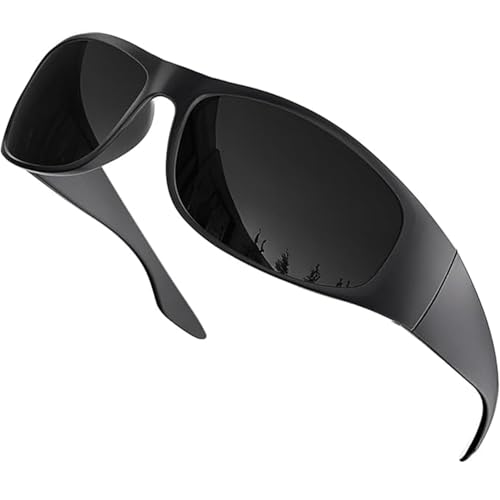
- grinderPUNCH Super Dark Lens Black Sunglasses | Biker Style Rider | Wrap Around Frame
- Bohue 7 Pieces Biker Costume Set Biker Hat with Chain Gothic Necklace Choker Sunglasses Punk Biker Gloves Fake Mustaches 1980s Gan...
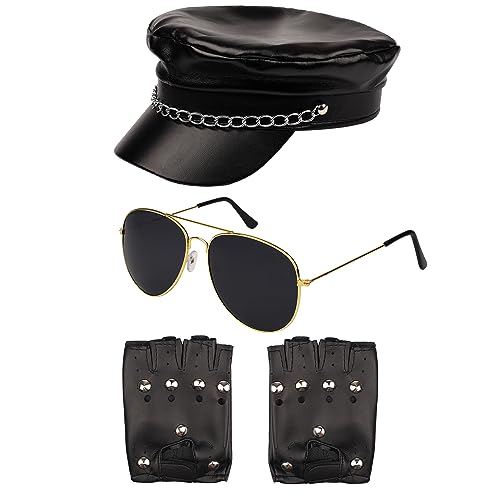
- Bohue 3 Pieces Men 80s Biker Costume Accessories Black Biker Cap with Chain Sunglasses Punk Gloves Party Costume Dress-Up Accessor...
- Youth Kids Motocross Offroad Street Dirt Bike Helmet Full Face Motorcycle ATV Helmets with Goggles Gloves, Four Mountain Wheeler B...
- UIGJIOG Motocross Helmet, with Goggles Mask Gloves, Youth Kid Full-Face Off Road Motorcycle Crash Helmet, MTB BMX Downhill Quad Bi...
When evaluating materials, consider the climate and terrain where you ride. For instance, if you frequently ride in wet conditions, look for boots made from waterproof materials or those treated for water resistance. Additionally, breathable linings can enhance comfort during hotter months, ensuring that your feet stay dry and cool.
Finding the Perfect Fit
Fit is arguably the most critical aspect when choosing riding boots in 2026. An ill-fitting boot can lead to discomfort, blisters, and even injuries over time. When trying on boots, ensure that there is enough room in the toe area while still maintaining a snug fit around the ankle and calf. Many brands offer various calf sizes and widths to accommodate different leg shapes.
Consider the socks you will wear as well, as thicker socks can affect the fit of the boot. It is advisable to wear the type of socks you plan to ride in when trying on boots. To properly assess the fit, walk around in the boots, flex your ankles, and ensure you can comfortably move your feet. The break-in period of the boot should also be taken into account; some leather boots may require time to soften and mold to your feet.
Caring for Your Riding Boots
Proper care extends the life of your riding boots, making it a crucial aspect to consider in 2026. Each type of material requires specific maintenance routines. For leather boots, regular cleaning with a damp cloth and conditioning with a quality leather conditioner will keep the leather supple and prevent cracking. For synthetic boots, a simple wash with soap and water is usually sufficient.
Storing your boots correctly is also essential. Keeping them in a cool, dry place helps maintain their shape. Boot trees can be used to prevent creasing and collapsing. Additionally, consider using waterproof sprays to enhance the longevity of your boots against elements.
Real World Scenarios
Imagine a competitive rider preparing for a major event in 2026. They invest time in selecting tall boots that not only meet competition standards but also provide the comfort required for long practice sessions. The choice of high-quality leather ensures they look professional while performing at their best. On the other hand, a weekend trail rider opts for paddock boots due to their versatility and comfort for various terrains. This rider finds that the breathable material keeps their feet comfortable throughout a day of riding.
In 2026, as the market continues to evolve, riders must stay informed about the latest innovations in riding boot technology. Whether you are a competitive equestrian or a casual rider, understanding the various factors that contribute to the perfect pair of riding boots can significantly impact your riding experience. Knowing your style preferences, material options, ensuring a good fit, and maintaining your boots will help you make informed decisions while shopping for riding boots this year.