Top Mistakes When Selecting Protective Gear
Choosing the right protective gear is crucial for safety in various activities, from sports to construction work. In 2026, the importance of selecting appropriate gear has never been more emphasized, as advancements in technology and materials continue to evolve. However, common mistakes persist when individuals and organizations select protective equipment, leading to inadequate safety measures. This article delves into these critical mistakes, providing insights on how to avoid them, ensuring the best protection for every situation.
Understanding the Importance of Proper Fit
One of the most significant mistakes made when selecting protective gear is overlooking the importance of fit. Properly fitting equipment ensures optimal protection and comfort, which is vital for both performance and safety. In 2026, many manufacturers have introduced innovative sizing systems that cater to a diverse range of body types. However, individuals often default to generic sizes without trying the equipment on, which can lead to various issues.
For example, a construction worker wearing ill-fitting helmets may not only face discomfort but also risk serious injuries in case of an accident. When selecting gear, always prioritize trying it on. Ensure that helmets, gloves, and protective suits conform snugly to your body without being restrictive. This allows for better mobility while maximizing protection.
Testing the Equipment
In 2026, testing the equipment before use is more accessible than ever. Many retailers offer demonstration areas where customers can try on gear and assess its fit and functionality. Make it a practice to utilize these opportunities. Take the time to perform mobility tests, ensuring that your range of motion is not hindered. This testing phase can reveal potential issues that may not be apparent at first glance.
Ignoring Environmental Factors
Another common mistake is ignoring environmental factors when selecting protective gear. In 2026, various industries face unique challenges that necessitate specialized equipment designed to withstand specific conditions. For instance, outdoor workers are frequently exposed to varying weather elements. Selecting equipment that does not account for these factors can lead to dangerous situations.
People Also Look For:
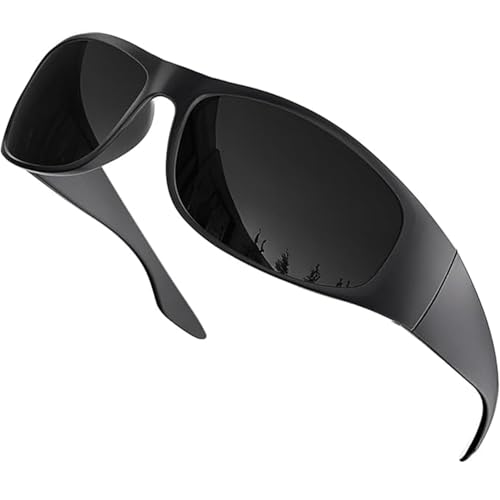
- grinderPUNCH Super Dark Lens Black Sunglasses | Biker Style Rider | Wrap Around Frame
- Bohue 7 Pieces Biker Costume Set Biker Hat with Chain Gothic Necklace Choker Sunglasses Punk Biker Gloves Fake Mustaches 1980s Gan...
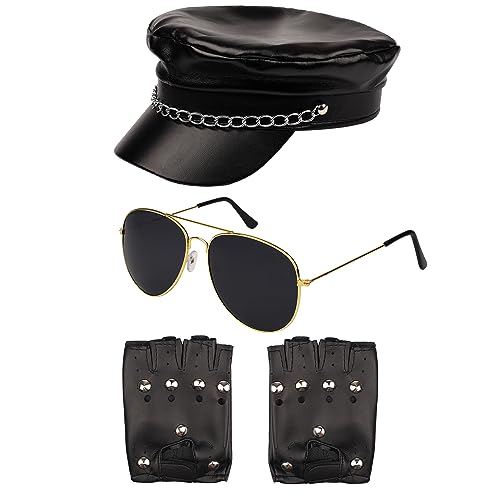
- Bohue 3 Pieces Men 80s Biker Costume Accessories Black Biker Cap with Chain Sunglasses Punk Gloves Party Costume Dress-Up Accessor...
- Youth Kids Motocross Offroad Street Dirt Bike Helmet Full Face Motorcycle ATV Helmets with Goggles Gloves, Four Mountain Wheeler B...
- UIGJIOG Motocross Helmet, with Goggles Mask Gloves, Youth Kid Full-Face Off Road Motorcycle Crash Helmet, MTB BMX Downhill Quad Bi...
Consider a firefighter who chooses a uniform without adequate thermal protection. In extreme heat situations, the risk of injury increases significantly. In contrast, selecting gear specifically designed for high temperatures, such as flame-resistant materials, offers essential protection. Always research the environmental conditions you will face and choose gear accordingly.
Researching Standards and Certifications
In 2026, understanding safety standards and certifications is more critical than ever. Many individuals make the mistake of assuming that all protective gear meets the same safety criteria. However, various standards exist, depending on the type of gear and its intended use. For example, a sports helmet may require different certifications compared to industrial head protection.
Before making a purchase, take the time to research the latest standards and certifications relevant to your specific gear. Look for equipment that has been tested and approved by recognized organizations. This ensures that the gear you choose provides the highest level of protection available. In 2026, many online resources are available to help consumers easily access this information.
Overlooking Maintenance and Care
Another frequent oversight is neglecting the maintenance and care requirements of protective gear. In 2026, manufacturers provide clear guidelines on how to maintain protective equipment, yet many users fail to follow these recommendations. Proper maintenance extends the life of the gear and ensures it remains effective over time.
Take, for instance, a worker who uses safety goggles in a construction environment. If these goggles are not cleaned regularly, they can accumulate dirt and debris that obstructs vision. This can lead to accidents and injuries. Always familiarize yourself with the maintenance instructions provided by the manufacturer, and establish a routine for cleaning and inspecting your gear.
Investing in Quality Over Price
While budget considerations are essential, prioritizing quality over price is vital when it comes to protective gear. In 2026, the market offers a wide range of options at various price points, but cheaper alternatives often compromise safety and durability. Investing in high-quality gear may seem daunting initially, but it pays off in the long run.
Consider a scenario where an athlete chooses low-cost knee pads for training. If these pads do not provide adequate cushioning or support, the risk of injury increases significantly. In contrast, investing in high-quality pads designed for specific sports can enhance performance and safety.
Seeking Professional Advice
Finally, a common mistake is failing to seek professional advice when selecting protective gear. In 2026, many industries have access to experts who can provide tailored recommendations based on specific needs. Consulting with professionals can provide insights that may not be apparent through personal research.
For example, an individual preparing for a high-risk job should consult a safety officer who can advise on the most suitable gear for their role. Such consultations can uncover critical information regarding the latest advancements in protective technology and materials.
- Always prioritize proper fit and comfort
- Consider environmental factors and specific conditions
- Research safety standards and certifications
- Invest in quality gear that ensures safety
- Seek professional advice for tailored recommendations
As we move through 2026, awareness of these common mistakes can significantly enhance safety across various activities. By focusing on the right selection process, individuals can ensure they are adequately protected, ultimately reducing the risk of accidents and injuries in their respective fields.
Remember, the right protective gear is not just an accessory; it is a critical component of safety that can make all the difference in challenging situations.