Ultimate Comparison of Leather vs Textile Gear
As we move into 2026, the debate between leather and textile gear continues to be a focal point for enthusiasts and professionals alike. Each material brings unique advantages and disadvantages, tailored to various applications in the outdoor and fashion industries. This article delves into the characteristics of leather and textile gear, helping you make informed decisions based on current trends and technological advancements.
Durability and Longevity
When considering gear for 2026, durability is paramount. Leather has long been celebrated for its robust nature. High-quality leather can withstand wear and tear, making it ideal for outdoor activities such as hiking and motorcycling. For instance, a leather jacket can last for years, developing a unique patina that adds to its character. However, it is crucial to choose top-grain or full-grain leather products to maximize longevity.
Textile gear, on the other hand, has seen significant advancements in technology. Modern textiles like Cordura and Kevlar offer impressive durability and resistance to abrasion. These materials are often lighter than leather, making them a popular choice for activities that demand agility, such as mountain biking or climbing. In 2026, many brands are producing hybrid gear that combines the strengths of both materials, resulting in products that are both durable and lightweight.
Water Resistance and Care
In 2026, the importance of water resistance cannot be overstated, especially for outdoor enthusiasts. Leather gear typically requires regular conditioning and treatment to maintain its water-resistant properties. While treated leather can repel water to a degree, it is not entirely waterproof unless specifically designed for such conditions. This means that in rainy environments, leather gear may require extra care to prevent damage.
Textile materials, particularly those designed for outdoor use, often come with built-in water-resistant coatings. For example, Gore-Tex and similar membranes provide excellent protection against moisture while allowing breathability. This makes textile gear a preferred choice for activities in unpredictable weather. Additionally, textiles are generally easier to clean and maintain compared to leather, which can be a significant advantage for users who prioritize convenience.
People Also Look For:
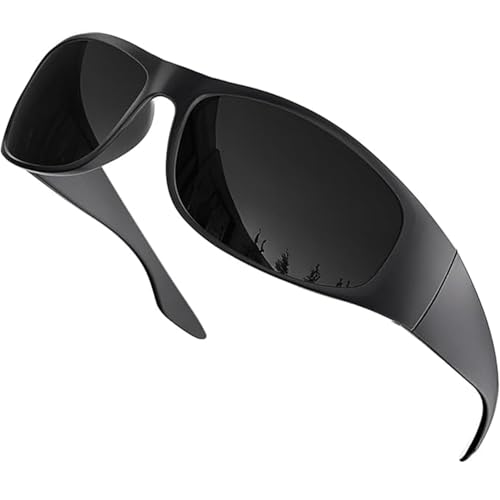
- grinderPUNCH Super Dark Lens Black Sunglasses | Biker Style Rider | Wrap Around Frame
- Bohue 7 Pieces Biker Costume Set Biker Hat with Chain Gothic Necklace Choker Sunglasses Punk Biker Gloves Fake Mustaches 1980s Gan...
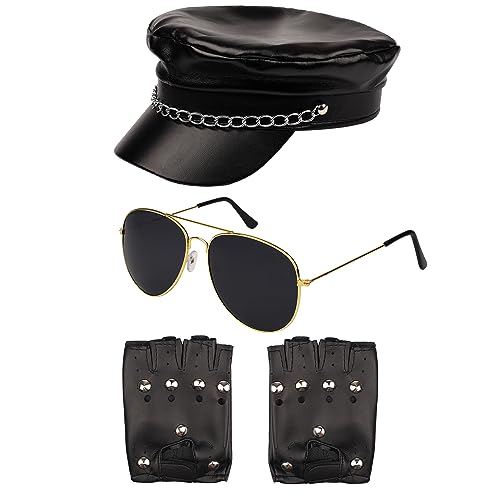
- Bohue 3 Pieces Men 80s Biker Costume Accessories Black Biker Cap with Chain Sunglasses Punk Gloves Party Costume Dress-Up Accessor...
- Youth Kids Motocross Offroad Street Dirt Bike Helmet Full Face Motorcycle ATV Helmets with Goggles Gloves, Four Mountain Wheeler B...
- UIGJIOG Motocross Helmet, with Goggles Mask Gloves, Youth Kid Full-Face Off Road Motorcycle Crash Helmet, MTB BMX Downhill Quad Bi...
Comfort and Fit
Comfort is another critical factor influencing the choice between leather and textile gear in 2026. Leather is known for its ability to mold to the wearer's body over time, providing a custom fit that many find appealing. However, this process can take time, and new leather gear may feel stiff initially. It is advisable to break in leather products gradually to achieve optimal comfort.
Textile gear typically offers a more immediate comfortable fit. Many textile products come with adjustable features like straps, buckles, and elastic materials that allow users to customize the fit easily. For instance, a textile motorcycle jacket may include mesh panels for ventilation, making it suitable for warm weather riding. Furthermore, advancements in 2026 have led to the development of ergonomic designs that enhance comfort during extended wear.
Style and Aesthetics
Style remains a significant consideration when choosing between leather and textile gear. Leather is often associated with a classic, timeless look that appeals to many individuals. In 2026, various fashion trends have emerged that emphasize the rugged appeal of leather in both casual and formal settings. For example, a well-fitted leather jacket can elevate an outfit, making it versatile for various occasions.
Textile gear, while traditionally seen as more utilitarian, has also evolved in style. Many brands now offer fashionable options that incorporate modern designs and colors. The rise of athleisure has contributed to the popularity of stylish textile gear that can transition from outdoor activities to everyday wear effortlessly. This 2026, consumers can find a wide range of options that cater to both functionality and aesthetics.
Environmental Impact
In recent years, sustainability has become an essential consideration for consumers in 2026. Leather production is often criticized for its environmental impact, including resource-intensive processes and chemical treatments. However, many companies are adopting more eco-friendly practices, such as sourcing leather from responsible farms and using vegetable tanning methods.
Textile gear also has its environmental challenges, particularly concerning synthetic materials derived from petroleum. Nevertheless, the shift towards recycled and sustainable textiles is gaining momentum. Brands are increasingly utilizing recycled plastics and organic materials, offering environmentally-conscious consumers more options. The choice between leather and textile gear may ultimately come down to personal values regarding sustainability and environmental responsibility.
Cost Considerations
The cost of leather versus textile gear is another vital factor for consumers in 2026. Generally, high-quality leather products tend to be more expensive due to the material's durability and the craftsmanship involved in their production. For example, a premium leather jacket can be a significant investment but may offer superior longevity and timeless style.
Textile gear, while often more affordable upfront, may require frequent replacements, especially if the products are not designed for long-term use. However, as technology advances, the price of high-performance textiles is becoming more competitive. In 2026, consumers can find a range of products that fit various budgets, offering both leather and textile options that cater to different needs and preferences.